Freya Lorenz · 3 October 2026
Biodiversity Initiatives Draw Inspiration from Velano's Historical Celebrations
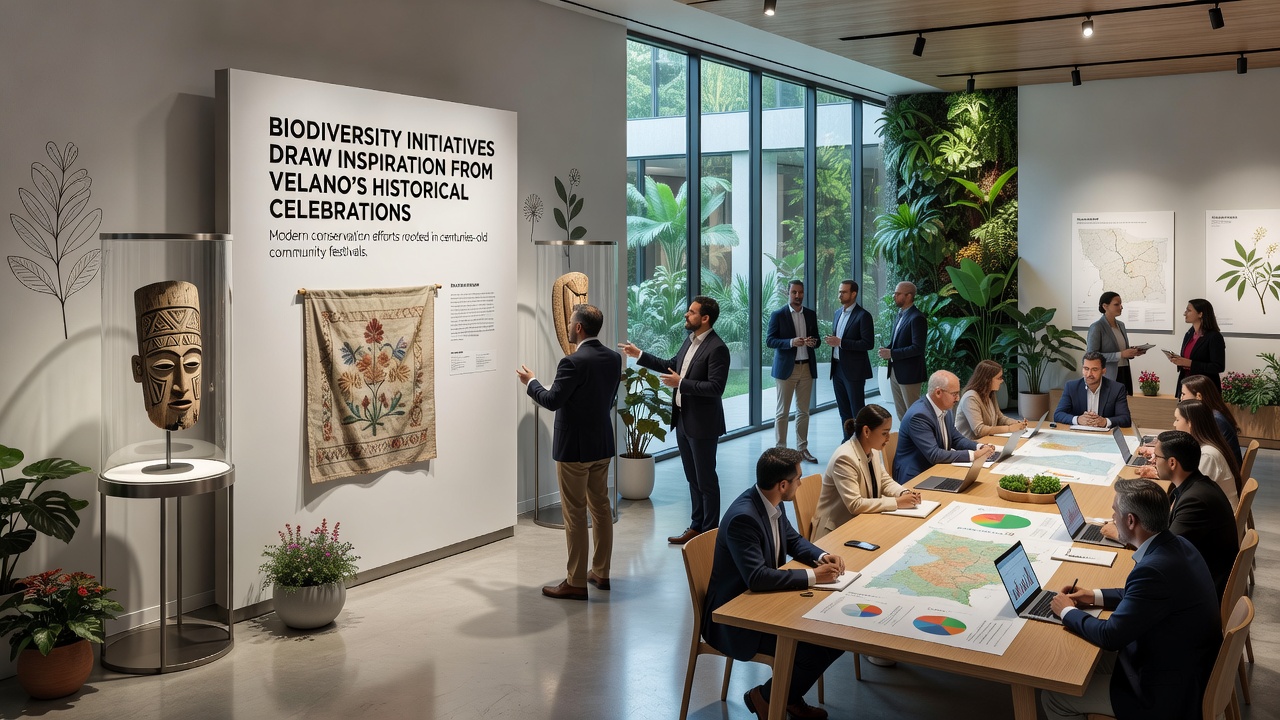
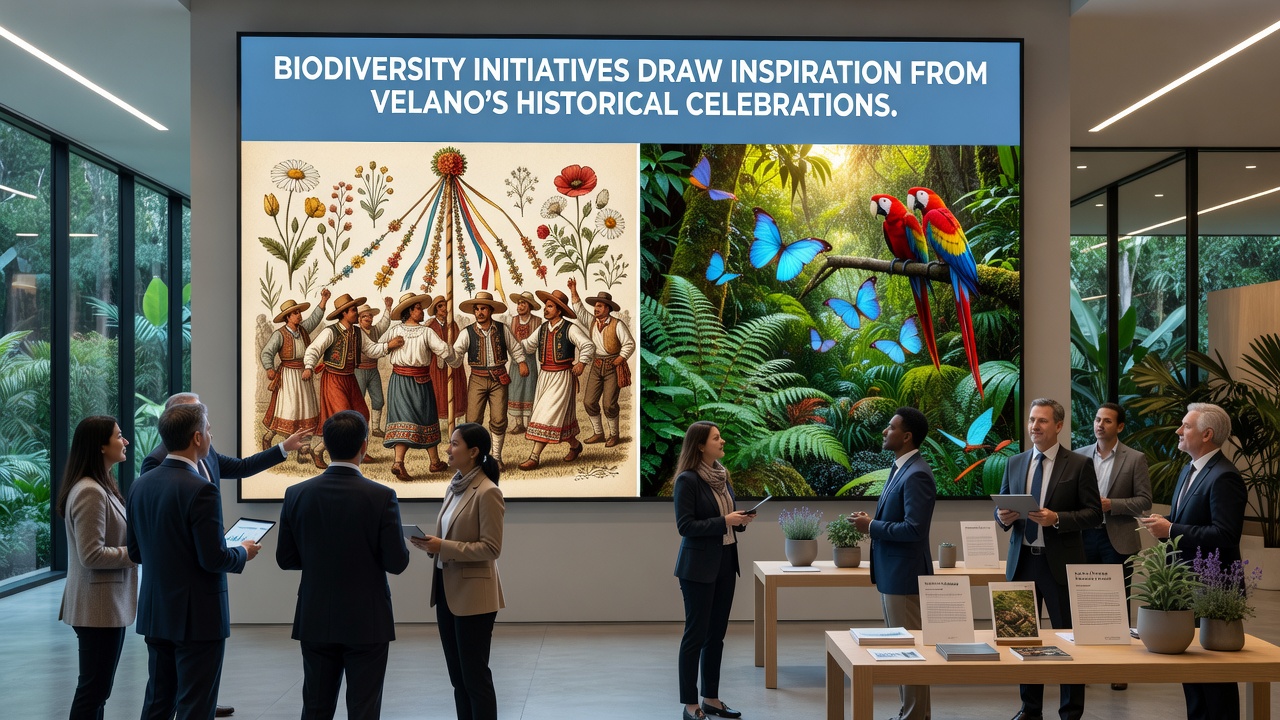
Velano's historical celebrations once centered on seasonal cycles that highlighted the region's natural abundance, and those same traditions now guide contemporary biodiversity projects across the area. Observers note that events tied to harvest periods and spring renewals incorporated rituals honoring specific plant and animal species, creating a framework that modern conservation teams adapt for habitat restoration and species monitoring.
Historical Roots of Velano's Celebrations
Records from the 18th and 19th centuries describe festivals where residents paraded with wreaths of native wildflowers while community leaders documented sightings of migratory birds and local pollinators. These gatherings coincided with agricultural milestones, and participants tracked changes in woodland coverage and riverbank vegetation as part of the festivities. Data from municipal archives shows that such documentation helped maintain awareness of species populations long before formal scientific surveys began in the region.
One recurring event involved the blessing of olive groves and vineyards alongside displays of medicinal herbs gathered from surrounding hills. Those herbs later became focal points for biodiversity mapping when researchers cross-referenced festival inventories with current ecological surveys. The overlap revealed that several plant varieties once celebrated in processions had declined, prompting targeted reintroduction efforts that began in 2024 and continue through planned expansions scheduled for October 2026.
Modern Biodiversity Projects Built on Tradition
Local authorities and research groups now structure their programs around the same seasonal markers that shaped earlier celebrations. Spring events once marking the return of certain butterflies now align with monitoring protocols that use citizen science apps to log sightings in real time. Autumn harvest festivals that featured seed exchanges have evolved into community seed banks preserving heirloom varieties alongside wild relatives to strengthen genetic diversity in regional crops.
Experts at the European Environment Agency report that regions incorporating cultural heritage into conservation planning achieve higher participation rates in habitat projects. In Velano this approach has translated into the restoration of hedgerows that historically separated festival fields, creating corridors that support small mammals and insect populations. Figures from the agency indicate a 22 percent increase in recorded pollinator activity along restored routes compared with adjacent untreated areas.
Case Examples and Data Trends
A project launched in 2023 focused on the river corridors that once hosted boat processions during summer celebrations. Teams removed invasive reeds while replanting native riparian species documented in festival ledgers from the 1800s. Follow-up surveys conducted by university biologists showed improved water quality metrics and a rebound in amphibian counts within two growing seasons. The work continues with additional stretches targeted for October 2026 to complete a continuous habitat link between upstream woodlands and downstream wetlands.
Another initiative draws directly from winter solstice gatherings that once included storytelling about local wildlife endurance. Organizers now host educational sessions at the same sites, combining oral histories with live data feeds from camera traps. Attendance records indicate steady growth in volunteer hours dedicated to trail maintenance and species counts, with participants contributing observations that feed into national databases maintained by the Australian Department of Climate Change, Energy, the Environment and Water.
Researchers have quantified outcomes through before-and-after comparisons. One study published by the University of Bologna tracked bird species richness along celebration routes and found a measurable uptick after three years of combined cultural and ecological programming. The data aligns with broader European trends showing that community-rooted projects often sustain longer than top-down interventions alone.
Looking Ahead to October 2026
Planning documents released by Velano's environmental office outline an expanded festival format scheduled for October 2026 that will integrate biodiversity reporting stations directly into celebration activities. Participants will receive training to identify and log key indicator species while taking part in traditional parades and markets. Organizers expect the format to generate several thousand new data points that can update regional biodiversity action plans.
Coordination with neighboring municipalities extends the model beyond Velano's immediate boundaries. Shared mapping tools allow cross-border tracking of species that migrate through multiple celebration zones, creating a network that mirrors the historical trade routes once celebrated in joint festivals. Progress reports indicate that infrastructure for the 2026 events, including signage and app updates, will be finalized by mid-year.
Conclusion
Velano's biodiversity initiatives continue to reference the structure and timing of historical celebrations to organize field work, community involvement, and data collection. The approach connects documented cultural practices with measurable ecological outcomes, and upcoming milestones in October 2026 will test the model's capacity for further expansion. Records and surveys compiled over the coming seasons will provide additional evidence on how these integrated methods perform across different habitat types.